The Lancia Delta: A Masterclass in Proportion and Restraint
There’s a certain stillness to the way light falls across the hood of a Lancia Delta. It isn’t a car that shouts. It doesn’t need to. Parked outside a café in Santa Barbara, its boxy silhouette and pinched rear pillars draw glances not because of aggression, but because of an almost architectural rightness. The Lancia Delta is a lesson in restraint—a car that sharpens your life without overwhelming it.
To understand the Lancia Delta, you have to look past the rally legend and into the thinking behind its shapes. Giorgetto Giugiaro’s pen gave it a form that prioritized function without sacrificing grace. The upright cabin, the clean flanks, the subtle wedge—every line serves a purpose. And that purpose was making a car that worked beautifully in the real world. Usability is part of beauty, and the Delta understood that long before it became fashionable.
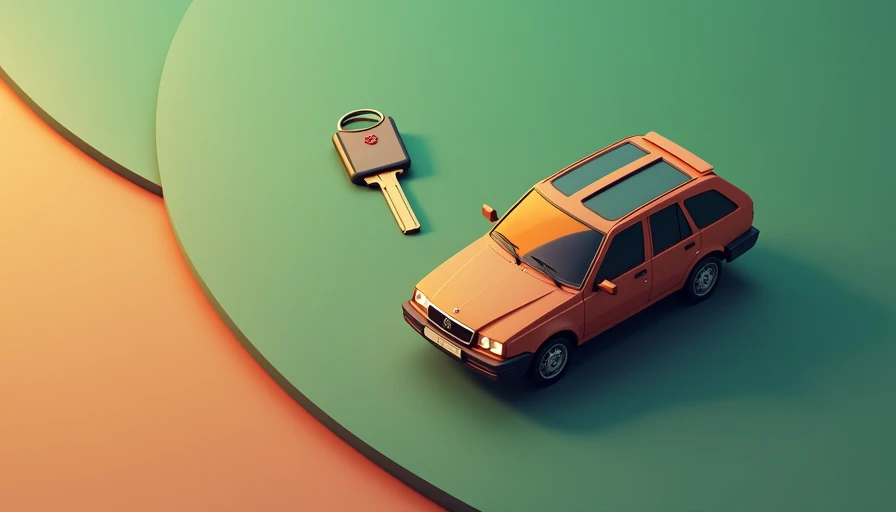
Why the Lancia Delta Still Resonates
Decades after its launch, the Lancia Delta feels remarkably modern. Its compact footprint and generous glass area create an airy interior that many contemporary cars envy. The simplicity of the dashboard, the tactile quality of the switchgear, the way the steering wheel sits just right in your hands—these details matter. They’re the kind of things you notice on a long coastal drive, when the road narrows and the rhythm of the car takes over.
There’s a reason collectors seek out the Delta today. It isn’t about horsepower or lap times. It’s about how a car ages with dignity. The Lancia Delta hasn’t needed to be rediscovered; it’s been quietly waiting for enthusiasts who value character over drama. And as the automotive world pushes toward excess, the Delta’s modesty becomes its superpower.
The Delta Integrale: When Rally Dominance Meets Everyday Grace
Of course, no discussion of the Lancia Delta is complete without the Integrale. But let’s be clear: the Integrale’s rally pedigree isn’t what makes it special. What makes it special is that it won championships while remaining utterly livable. The same car that conquered the Group A class could take you to the grocery store without complaint. That’s a rare alchemy.
The evolution from the HF 4x4 to the final Evoluzione II shows a marque refining an already brilliant formula. The flared wheel arches are purposeful, not theatrical. The rear spoiler is understated. Even the most aggressive Integrale wears its performance with a quiet confidence. It’s the kind of car that rewards the driver who pays attention—the one who feels the balance shift through a tight bend, who appreciates the linear power delivery of the 2.0-liter four.

Living with a Lancia Delta Today
Let’s talk about reality. Finding a well-maintained Lancia Delta in the United States requires patience. Most examples are gray-market imports, and maintenance demands a specialist who understands Italian electronics and the quirks of a thirty-year-old turbo engine. But for those willing to invest, the reward is immense.
Parts are becoming easier to source through enthusiast networks and specialized importers. Rust is the enemy, as it is with any Italian car of the era. A car from a dry climate, with documented service history, is worth the premium. The driving experience, though—the way the Delta hunkers down on a winding road, the mechanical honesty of its controls—makes every trip feel like an occasion. It’s a car that asks to be driven, not just preserved.
What Makes the Delta’s Design Endure
The Lancia Delta belongs to that rare category of design that transcends fashion. Its visual appeal has nothing to do with trends. The flat surfaces, the upright tail, the balanced proportions—they’re timeless because they’re honest. There’s no contrived aggression, no superficial muscle. Just a shape that serves the car’s purpose perfectly.
This is why the Delta continues to inspire. It doesn’t rely on nostalgia. It relies on the fact that good design doesn’t age. Drive one today, and you’ll understand immediately. The Lancia Delta isn’t a relic; it’s a benchmark. And for anyone who believes a car should enrich your life without demanding attention, it remains one of the most satisfying choices you can make.
A Buyer’s Checklist: What to Look for in a Lancia Delta
If you’re serious about owning a Lancia Delta, a few key areas demand attention. Here’s a practical guide to help you avoid common pitfalls.
- **Rust inspection:** Focus on the rear wheel arches, sills, and floorpans. Surface rust can be treated, but structural rot is a dealbreaker. A car from California or the Southwest is ideal.
- **Engine health:** The 2.0-liter turbo is robust if maintained. Listen for timing chain noise and check for oil leaks around the turbo feed line. A compression test is cheap insurance.
- **Electrics:** Italian wiring of the era can be finicky. Test all windows, lights, and the climate control. Intermittent faults often trace to corroded grounds or worn connectors.
- **Service history:** A documented chain of timing belt replacements and fluid changes adds thousands to the value. Cars with incomplete records should be priced accordingly.
- **Driving feel:** The Delta should feel taut, not sloppy. Worn bushings and tired shocks degrade the experience. Budget $1,500–$3,000 for a full refresh of suspension components.
- **Parts availability:** Enthusiast suppliers and online forums make most mechanical parts accessible. Body panels are harder; consider a car with straight panels and good paint.
These steps aren’t exhaustive, but they’ll steer you toward a car that rewards your investment. The Lancia Delta is worth the effort, but only if you start with a solid example.