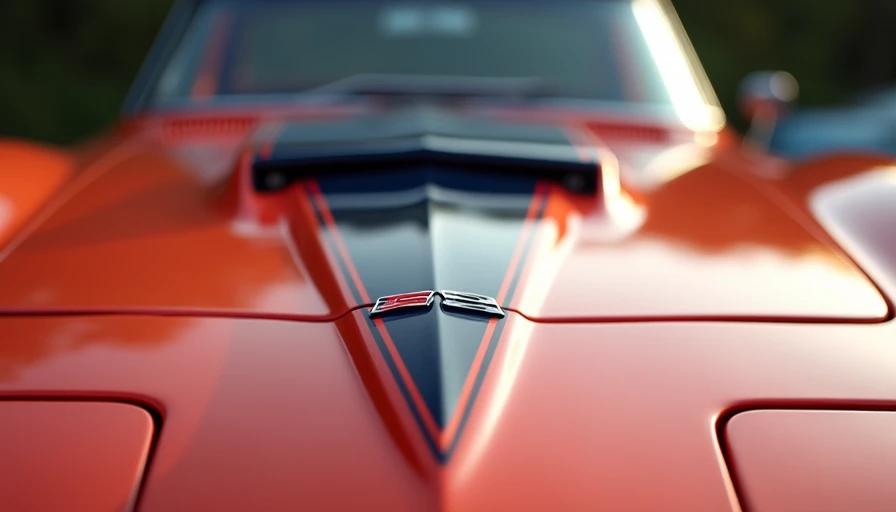
The 1968 Corvette Stingray marks a pivotal moment in Chevrolet's sports car lineage. It was the first year of the third generation, and it introduced a shape that still looks fresh today. For those who appreciate design that communicates through proportion rather than aggression, the 1968 Corvette Stingray offers something rare: a muscle car that never shouts. Instead, it holds its ground with a silhouette that is both muscular and elegant, a balance very few Detroit cars of the era managed to strike.
Design That Ages Gracefully
The C3 Corvette debuted with a body penned by David Holls and Larry Shinoda. The 1968 Stingray features the signature T-top roof, hidden headlamps, and a long, low hood that tapers into a sharp front end. The Coke-bottle rear fenders are pronounced but not overwrought. Unlike later iterations that became more cartoonish, the '68 wears its curves with discipline. The front bumper is chrome and delicate, the rear bumper wraps around like a gentle scoop. It is a car that avoids the visual weight of many contemporaries. Even the interior, with its twin-pod gauge cluster and wooden steering wheel, feels more like a touring coupe than a brawler. This is a car designed by people who understood that restraint is not a lack of passion.
The Driving Experience: Usability as Virtue
Under that shapely hood, buyers could choose between several small-block and big-block V8s. The base 327-cubic-inch engine produced 300 horsepower, but the real highlight for many is the 427 big-block, which could be had with triple two-barrel carburetors. Yet the 1968 Corvette Stingray is not a car that demands to be driven at ten-tenths to be enjoyable. The ride is surprisingly compliant for a car of its vintage, and the steering, while not quick by modern standards, communicates the road surface with a clarity that electronic systems filter away. The T-top lets you enjoy the open air without the structural compromise of a full convertible. It remains a car you can take for a weekend grocery run or a long coastal cruise without feeling punished. Character is not the same thing as drama, and the '68 Stingray proves that great sports cars can also be habit-forming daily drivers.
Owning a '68 Stingray Today
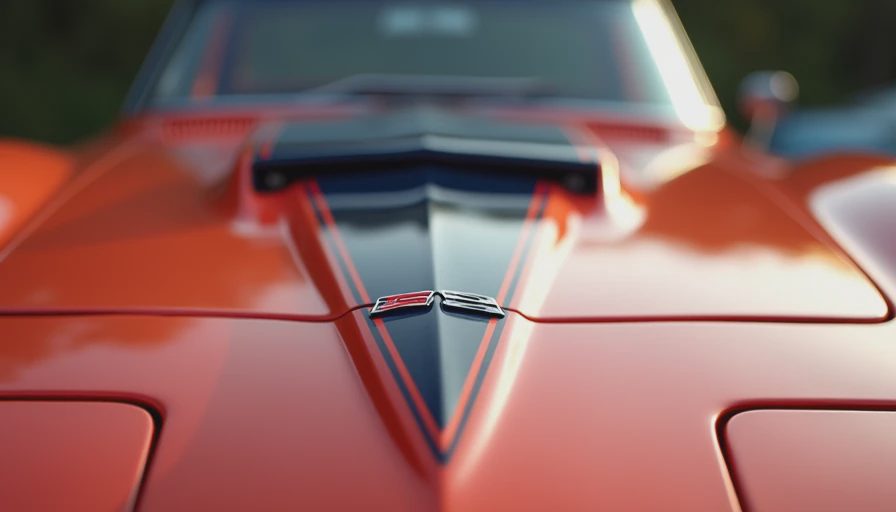
If you are considering adding a 1968 Corvette Stingray to your life, the reality of ownership is straightforward. Parts availability is excellent thanks to a robust aftermarket. Many mechanical components are shared with other GM vehicles of the era, so you can keep one running without resorting to a specialist. The fiberglass body means you will not worry about rust, but you should inspect the chassis and birdcage frame carefully for corrosion. The early C3 cars are lighter than later examples, so driving feel is sharper. Insurance is reasonable for a collector car, and you can find a good driver-condition example in the mid-30s to mid-50s, while pristine numbers-matching cars command over a hundred thousand dollars. But the real value lies in the experience: a car that invites you to slow down and notice the details.
Tasteful Upgrades That Preserve Character
The 1968 Corvette Stingray responds beautifully to a light hand when it comes to modifications. Many owners replace the stock suspension bushings with polyurethane for sharper response, without ruining the compliance. A set of modern radial tires in the correct 15-inch size improves grip and safety without changing the car's look. The seats can be reupholstered in period-correct materials for better support and comfort. Avoid the temptation to swap in a modern drivetrain or oversized wheels, as those moves often erase the very character you bought the car for. Instead, focus on what sharpens the car without overwhelming it: a proper tune, fresh dampers, and a thoughtful exhaust that reveals the engine's voice without shouting.
Investment and Market Reality
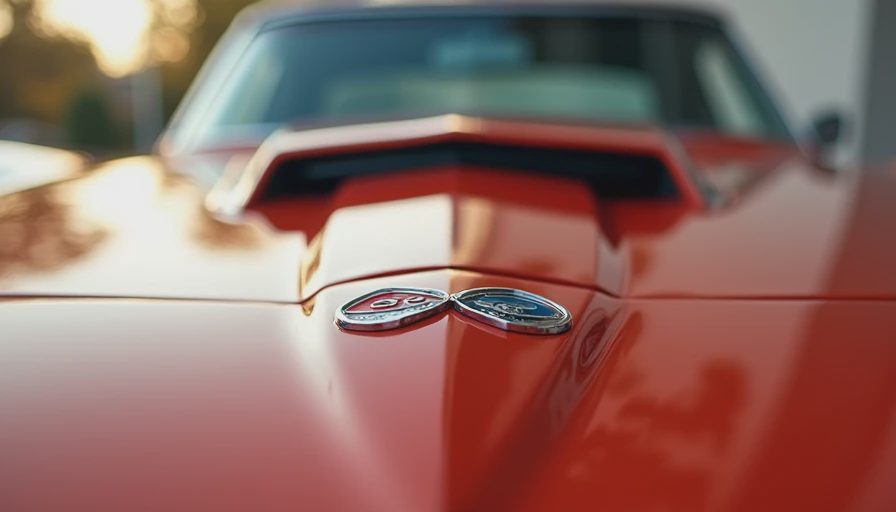
The market for the 1968 Corvette Stingray has been steady for years. It is not a skyrocketing asset but a stable, enjoyable place to park money that you can also drive. The first-year C3 cars are especially desirable among purists because they retain many of the design details that were later diluted, such as the chrome bumpers and simpler interior trim. Prices have softened slightly from the peak of the pandemic era, which makes now a reasonable time to buy if you are looking for an honest driver rather than a trailer queen. As with any classic, buy the best example you can afford, but do not overlook cars that have been enjoyed. The 1968 Corvette Stingray is not a museum piece; it is a car meant to be lived with.
Conclusion: A Car That Sharpens Life
The 1968 Corvette Stingray does not need a massive engine or a track-focused suspension to be compelling. Its appeal is deeper: it is a car that rewards you every time you walk up to it, every time you slide into the low-slung seat, every time you punch the throttle and feel the engine settle into its rhythm. It asks nothing in return but your attention. For those who care about driving feel, visual taste, and everyday usability, the '68 Stingray remains one of the most thoughtful sports cars ever to come out of America. A car should sharpen your life, not overwhelm it. This one does exactly that.