The 1967 Porsche 911 is often cited as the sweet spot of the early 911 lineage. It arrived in its second year of production, refined enough to lose the teething issues of the 1964–65 cars but still pure analog simplicity. For anyone who values driving as a sensory ritual rather than a numbers game, this is a car that delivers proportion, presence, and a remarkably livable character.
The Design that Defines an Era
Without exaggeration, the 1967 Porsche 911 set a visual template that would last decades. Ferdinand Alexander Porsche’s silhouette is purposefully simple: a long hood, a fastback roofline, and a rear deck that tucks in just enough to suggest the engine’s location without shouting about it. The 1967 model introduced the first “S” trim with its iconic Fuchs wheels, which remain perhaps the most elegant alloy ever fitted to a sports car. The chrome bumpers, single round headlights, and thin-pillar greenhouse all contribute to a shape that feels both delicate and resolved. It’s a design that holds attention without demanding it.
Behind the Wheel: The Driving Experience
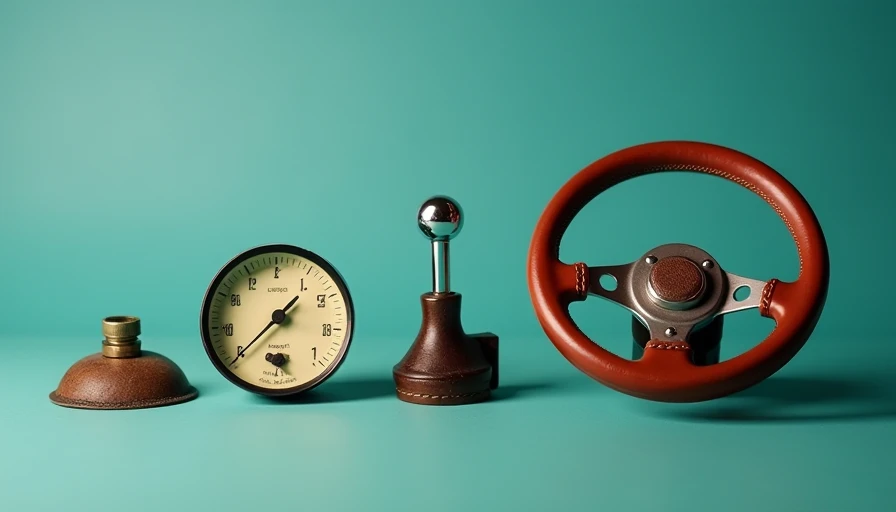
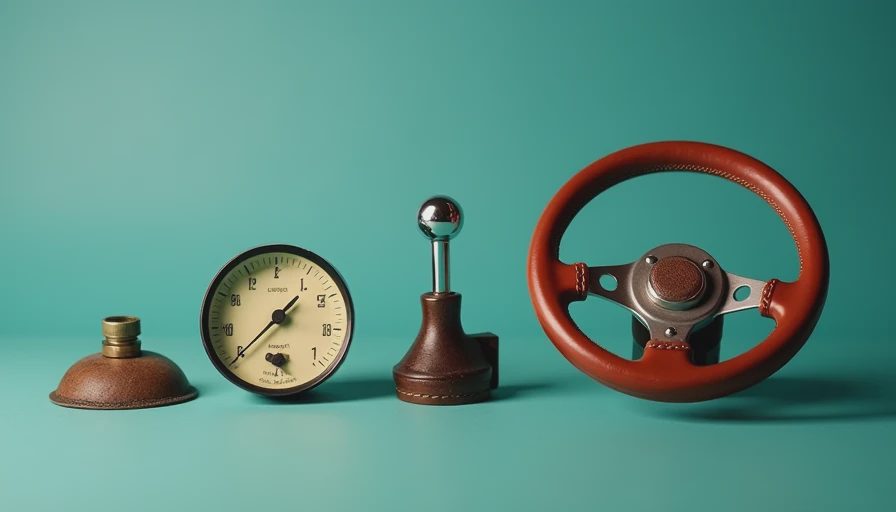
Climbing into a 1967 Porsche 911 is a lesson in reduction. The steering wheel is thin-rimmed, the pedals close together, the shifter a long lever that slides through a gate that requires deliberate movement. There’s no power steering, no traction control, and the engine behind you breathes through a pair of Weber carburetors. The 2.0-liter flat-six produces around 130 horsepower in base form, but the way it delivers that power—linear, elastic, eager to rev—makes the car feel faster than any spec sheet suggests. On a winding coastal road, the 1967 Porsche 911 communicates every nuance of the surface through your palms and your lower back. It’s demanding, honest, and deeply satisfying.
Living with a 1967 Porsche 911
What surprises most people about the 1967 Porsche 911 is how usable it remains. The cabin is snug but not claustrophobic, with seats that provide enough support for a day trip. The dashboard is a straight-forward instrument panel, with a large tachometer and an easily reached ignition switch. Visibility is excellent by modern standards—the thin pillars and low beltline mean you can place the car precisely in traffic. The luggage compartment under the front hood offers more space than a Miata’s trunk, and the rear seats, while not spacious, can accommodate a soft bag or a child. Owners who drive their 1967 Porsche 911 regularly find it a willing companion for morning coffee runs, weekend escapes, and even the occasional grocery trip. The key is maintaining the mechanicals; a properly tuned 911 from this era starts easily, idles smoothly, and warms up predictably. It’s not a daily driver for someone who expects silence and insulation, but for those who value engagement, it’s nearly perfect.
Why the 1967 Model Year Matters
Collectors and enthusiasts often single out the 1967 Porsche 911 because it represents a turning point. It was the first year the “S” variant offered more power, better brakes, and the Fuchs wheels, setting a performance benchmark that influenced later models. It was also the last year before the U.S. safety and emissions regulations began to add weight and complexity. A 1967 car is light—just over 2,100 pounds—and pure. The engine compartment is uncluttered, the suspension simple by modern standards, and the driving experience unmediated by electronic filters. If you want to understand why the 911 became a legend, this is the year to start.

The Verdict on the 1967 Porsche 911
In a world of increasingly digitized cars, the 1967 Porsche 911 stands as a reminder that less is more. It doesn’t overwhelm you with horsepower or technology. Instead, it offers a tight, tactile relationship between driver and machine. The steering is alive, the engine sings, and the design remains timeless. For the discerning buyer, whether you’re a collector or a driver who wants a car that enhances your mornings, the 1967 Porsche 911 delivers a depth of character that modern counterparts rarely achieve. It’s a car that sharpens your life, not overwhelms it.
If you’re considering adding a 1967 Porsche 911 to your garage, prioritize condition over originality if you plan to drive it. A well-sorted example with a recent engine rebuild and proper suspension bushings will offer more joy than a museum piece that you’re afraid to use. Prices have climbed, but the 1967 911 still represents relatively good value compared to later long-hood cars. And once you’re behind the wheel, you’ll understand why it remains the reference point for everything that followed.
Frequently Asked Questions About the 1967 Porsche 911
What is the value of a 1967 Porsche 911 today?
Values vary widely by condition, mileage, and originality. A solid driver-quality car can be found in the $60,000-$80,000 range, while a fully restored example or a rare S model can exceed $150,000. Prices have been climbing steadily, but compared to later 911s, the 1967 car remains a relative bargain for the driving experience it offers.
How reliable is a 1967 Porsche 911 as a daily driver?
With proper maintenance—regular oil changes, valve adjustments, and carburetor tuning—the 1967 911 is surprisingly reliable. The mechanical fuel injection on S models can be finicky, but a well-set-up car starts reliably and handles modern traffic. However, it lacks modern safety features and is less comfortable than a modern commuter. Many owners use it for weekend drives and light touring rather than daily commuting.
What should I look for when buying a 1967 Porsche 911?
Check for rust in the usual spots: rocker panels, floor pans, and the battery tray. Verify the engine numbers match the chassis if originality matters. A recent engine rebuild is a huge plus. Also, inspect the condition of the Fuchs wheels (if equipped) and the interior, as these are expensive to replace. A pre-purchase inspection by a specialist is highly recommended.
Are parts still available for the 1967 Porsche 911?
Yes, parts availability is excellent. Porsche Classic and various aftermarket suppliers reproduce almost everything, from mechanical components to body panels and interior trim. This makes restoration and maintenance easier than for many other vintage sports cars. However, some specific parts for the early S models can be expensive and require searching.