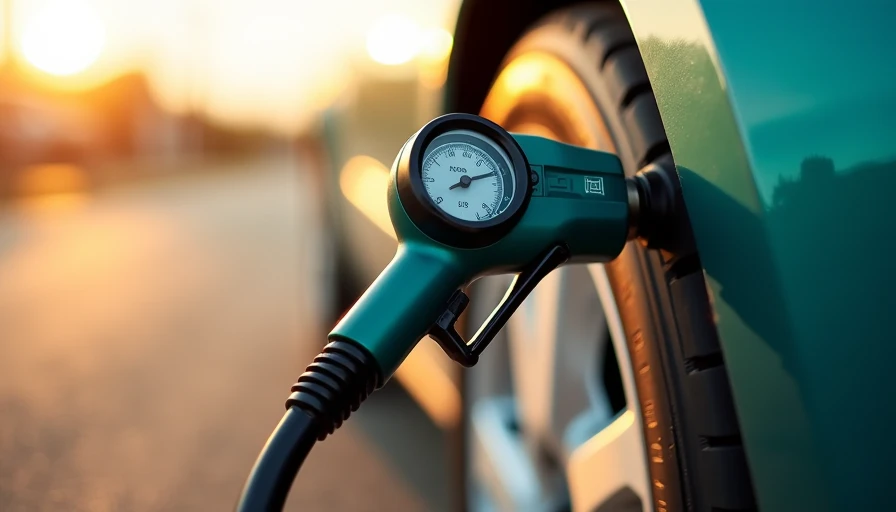
If you drive with intention—whether it's a Sunday morning run in a vintage coupe or the daily commute in a modern sedan—a best portable tire inflator is one of those tools you don't think about until you desperately need it. And when that moment comes, the last thing you want is a bulky, loud, unreliable compressor that feels like an afterthought. The best portable tire inflator does more than just fill air. It fits into your aesthetic, your trunk, and your routine without fuss.
A tire inflator that lives in your car should be as unobtrusive as a good pair of driving gloves. It shouldn't clatter around or take up more space than a first-aid kit. And when you pull it out on a damp evening with a low-pressure warning light glowing on the dash, it should work the first time, every time. That kind of dependability is not just a convenience—it's a small but meaningful act of respect for the machine you rely on.
The Best Portable Tire Inflator Is an Investment in Ownership
Owning a car with character means paying attention to details. Tire pressure might seem mundane, but it affects everything from handling to fuel economy to the life of the rubber itself. A few pounds per square inch off can dull turn-in response or cause uneven wear that shortens a set of tires by thousands of miles. The best portable tire inflator gives you the ability to correct that imbalance whenever and wherever you need to.
I remember a late-night drive in a 1991 325i convertible along the Pacific Coast Highway. The dashboard warning came on just north of Malibu. Without a portable inflator, I would have been stuck waiting for roadside assistance on a dark stretch of road with nothing but the sound of waves and the occasional passing truck. That evening led me to stash a proper inflator in the trunk of every car I own. It's one of those upgrades that never gets old because it removes a layer of anxiety.
The economics are simple. A quality inflator costs less than a single tire replacement, and it helps you preserve the tires you have. Proper pressure also improves fuel efficiency by three to four percent, which adds up over a year. And while you're at it, keeping tires properly inflated can even help you avoid premium hikes from your insurance provider—many carriers consider regular maintenance when setting rates.
What Separates a Great Portable Tire Inflator from a Gadget
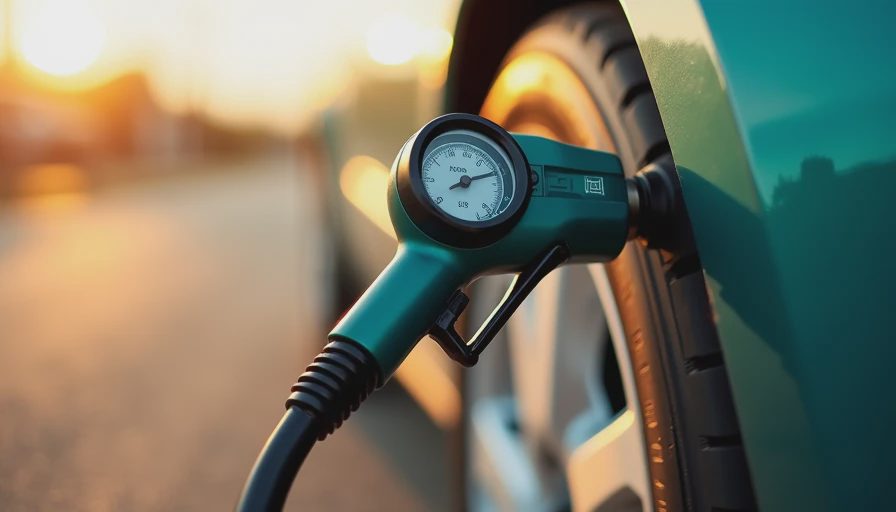
Walking into an auto parts store or scrolling through online listings, you'll see inflators ranging from twenty dollars to over a hundred. The difference is not just in price—it's in how thoughtfully the device is engineered. The best portable tire inflator combines accurate pressure reading, adequate flow rate, and a build quality that suggests it won't fail after a few uses.
Look for a unit with a digital pressure gauge that reads in one-PSI increments. Analog gauges are charming in a vintage tool sort of way, but they are rarely accurate enough for modern tire requirements. A digital readout lets you set the desired pressure and have the inflator shut off automatically—no second-guessing. Flow rate matters too. A compressor that delivers around 30 liters per minute will fill a standard passenger tire from flat to 35 PSI in under five minutes. Slower units test your patience, especially in cold weather.
Build quality is harder to quantify but immediately felt. A unit with a rubberized casing, a robust hose, and LED lights for nighttime use feels substantial. The best portable tire inflator often comes with a storage bag that keeps everything tidy and prevents the cord from tangling with your jumper cables. Pay attention to the power cord length—twelve feet or more lets you reach all four tires without having to reposition the car. And if you prefer cordless options, consider the battery platform you already own. Ryobi's 18V inflator, for example, integrates neatly with their tool ecosystem and is compact enough to fit in a glovebox.
Three Models That Earn Their Place in Your Trunk
After years of testing and living with various inflators, a few stand out as genuinely thoughtful designs. None are perfect for every driver, but each represents a different philosophy of use.
Viair 88P is a classic choice for those who value reliability above all. It's heavy, yes, but it feels built to last decades. The analog gauge is a minor concession, but the all-metal construction and thermal overload protection give you confidence. It clips directly to the battery terminals, which means no cigarette lighter adapter to fail. This is the inflator you reach for when you're helping a friend with a flat in a parking lot or prepping for a long road trip.
AstroAI 150 PSI Digital takes a more modern approach. It's lighter, smaller, and surprisingly affordable. The digital preset function works flawlessly, and the bright orange housing makes it easy to spot in a crowded trunk. The 16-foot cord is a generous touch. For daily drivers who want a set-and-forget tool, this is hard to beat.
Ryobi 18V One+ Inflator appeals to the cordless enthusiast. If you already own Ryobi power tools, this shares the same battery, so there's no extra charger to carry. It's pint-sized but surprisingly capable, handling sedan tires without drama. The lack of a long power cord is a trade-off: you rely on battery charge, but with a fully charged 4Ah pack, you can easily top off all four tires twice over.
Making the Right Choice Depends on Your Routine
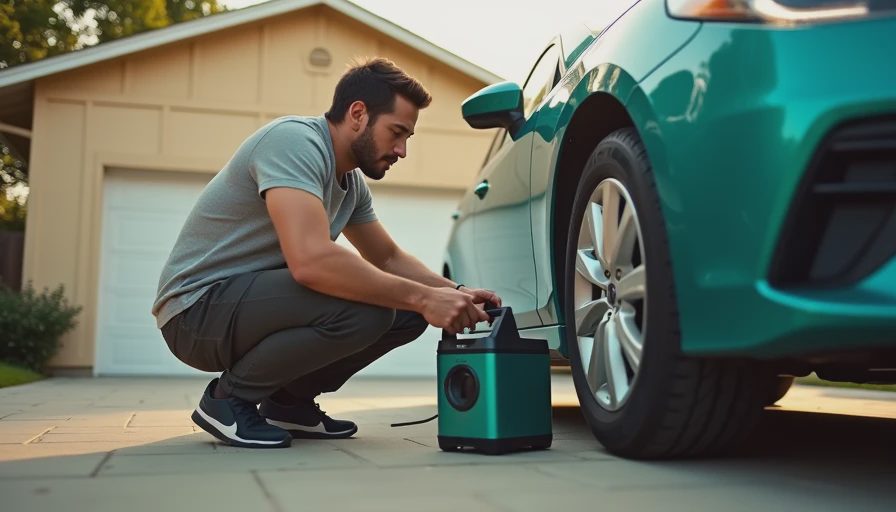
The best portable tire inflator for you is the one that matches how you actually use your car. If you drive a vintage sports car with occasional temperamental tires, the Viair's ruggedness and direct battery connection may be worth the extra weight. If your daily driver is a modern crossover and you just want to top off pressure once a month, the AstroAI offers excellent value with minimal hassle.
Storage space matters too. A trunk organizer or a dedicated cubby in a station wagon can accommodate a larger inflator, but a coupe or convertible might demand a more compact solution. The Ryobi unit fits neatly under a seat or in a side pocket. If you frequently travel between different cars in your household, consider getting two inflators—one for each vehicle. The expense is trivial compared to the convenience of always having one when you need it.
A Few Maintenance Notes to Keep Your Inflator Ready
A portable tire inflator is a low-maintenance tool, but a little care goes a long way. Check the O-ring on the air hose connector periodically for cracks or debris. Store the inflator in a dry place—humidity can corrode internal electronics over time. Every six months, test it by filling a tire to the recommended pressure and noting if the auto-shutoff engages correctly. If you use a cordless model, keep the battery charged above fifty percent, even during long storage periods.
Traveling with an inflator also means you can help others on the road. It's a small gesture that builds goodwill and sometimes even leads to interesting conversations at rest stops. There's a certain satisfaction in pulling out a well-designed tool from a tidy trunk and solving a problem quietly.
Ultimately, the best portable tire inflator is the one that becomes invisible in your routine—until the moment it steps in and makes a potential inconvenience disappear. It's not about chasing specs or brand names. It's about driving with a little more confidence, knowing that you have one less variable to worry about. And in a world where cars increasingly ask us to trust complex electronics, a simple pneumatic helper is a welcome reminder that some things are still best handled with good old-fashioned agency.
Check your tire pressure before long trips and season changes. It keeps your car handling as it should, stretches the life of your tires, and may even earn you a small discount on your auto insurance. That's the kind of return you can feel—not just at the pump, but every time you turn the key.