Some cars don’t just age gracefully; they seem to refine themselves with each passing decade. The Aston Martin DB5 cars (Aston Martin DB5) inhabit that rare territory where performance, proportion, and purpose align so naturally that they barely feel like objects from another era. Sixty years after its debut, the DB5 still sharpens a driver’s day rather than overwhelming it.
Design That Reflects Proportion and Purpose
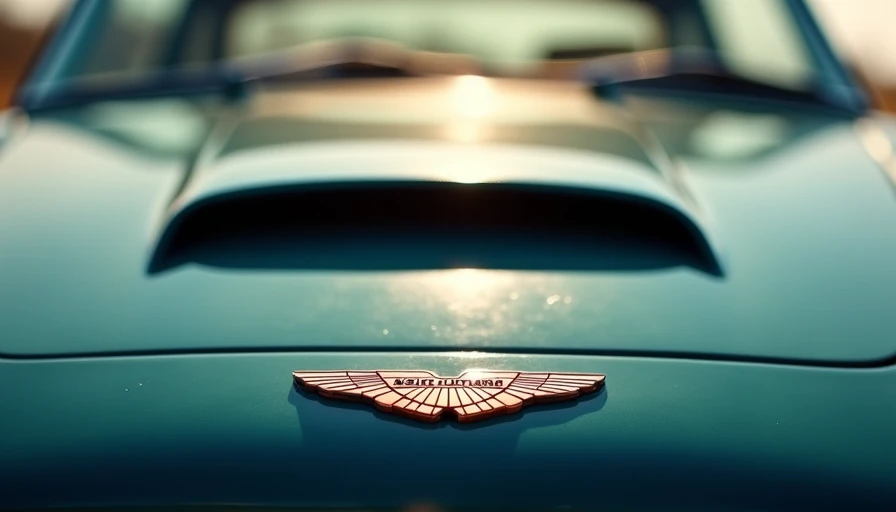
Carrozzeria Touring’s Superleggera construction gave the DB5 a silhouette that is all muscle and air—a long hood, a fastback tail, and a stance that sits lightly on the road. The aluminum panels are not there for weight savings alone; they allow crisp lines that catch light in a way steel never quite manages. Details like the wire wheels, the chrome side strakes, and the subtle rear fins are not decorative flourishes but visual anchors that tie the car to the road. This is a design that does not shout. It holds your attention quietly.
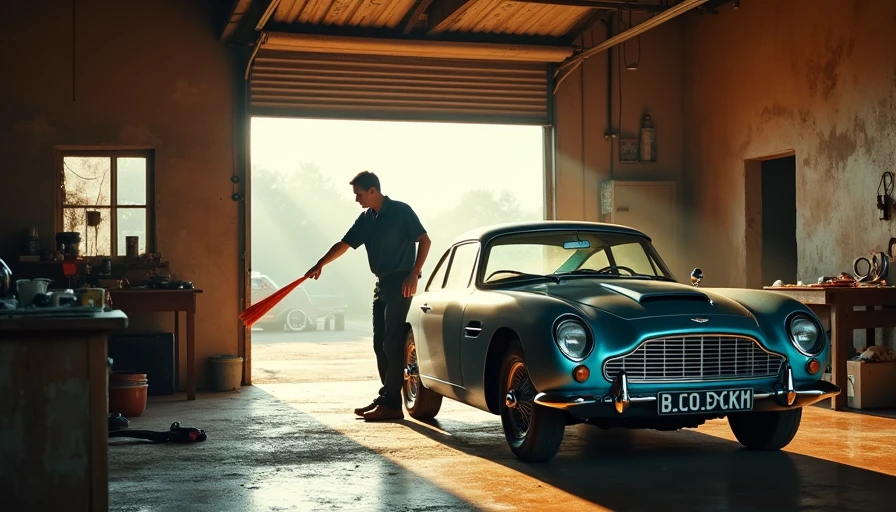
Inside, Connolly leather, Wilton wool carpets, and polished wood set a standard of material honesty that few modern interiors achieve. The dashboard is a study in graduated restraint—gauges are clear, switches are tactile, and nothing competes for your attention. You sit low, surrounded by smells of hide and warm metal, and the car invites you to settle in, not brace for impact.
The Driving Experience: Usability Meets Character
Power comes from a 4.0-liter straight-six engine breathing through triple SU carburetors—a setup that delivers 282 horsepower in standard form. That number sounds modest today, but the DB5’s charm lies not in raw acceleration but in how it delivers sensation: the induction roar at 4,000 rpm, the precise movement through a four-speed manual gearbox (later a five-speed), and the way the rear axle tucks into a corner. These are sensations that reward a measured hand.
What surprises most drivers is how usable the DB5 remains. The steering, while unassisted, is light at speed and feels direct. The ride is compliant enough for long drives along California’s Pacific Coast Highway or a morning coffee run in Santa Barbara. The brakes require intent but not force. You drive the DB5, it does not drive you. That accessibility is part of why these cars feel less like museum pieces and more like a cherished part of daily life.
Many enthusiasts who own an Aston Martin DB5 cars (Aston Martin DB5) report that the car integrates naturally into weekend getaways and local errands. It starts reliably when warm, the heater works, and the luggage space is generous enough for a couple of weekend bags. These details matter because a car that sits dormant in a collection never earns its keep. The DB5 was built to be used, and it still rewards the driver who treats it as a companion rather than a trophy.
Living With the DB5 in the Modern World
Maintaining a DB5 is an exercise in discernment. Parts remain available through specialists like Aston Martin Works, and a well-sorted car will ask for regular servicing but not endless trips to the shop. Owners who enjoy turning a wrench find the engine bay orderly and the car’s systems straightforward. For others, a trusted independent shop familiar with classic Aston Martins is essential.
Insurance, storage, and occasional restoration work are real costs, but they are balanced by the car’s remarkable long-term value. A sound DB5 has appreciated steadily, making it one of the few classics that feels like a responsible choice even when viewed through a practical lens.
What you gain is not just a car but an entry into a community of people who value restraint, craftsmanship, and the quiet pleasure of driving something deeply right. The DB5 does not beg for attention; it simply attracts the right kind of interest.
Buying an Aston Martin DB5: A Practical Checklist
If you are considering an Aston Martin DB5 cars (Aston Martin DB5), here are key areas to inspect. First, check the chassis number against factory records—early cars had different suspension settings. Look for matching numbers on the engine block and gearbox; non-matching units reduce value by up to 30%. Examine the aluminum body for corrosion around the battery tray and rear wheel arches; rust in these spots is expensive to repair. Test the electrical system—the Lucas components can be finicky. A pre-purchase inspection by a specialist costs around $1,000 but can save you from a $50,000 restoration. Finally, verify service history: a documented $10,000 engine rebuild every 50,000 miles is normal. A car with complete records commands a premium of 15-20% at auction, while a neglected example might need $30,000 in immediate work.
Why the DB5 Endures
The Aston Martin DB5 cars (Aston Martin DB5) endure because they satisfy a deeper desire: for objects that are beautiful, functional, and honest. They remind us that the best cars are not the loudest or the fastest, but those that sharpen our lives without overwhelming them. Sixty years on, the DB5 still sets the standard for what a grand tourer should be.
If you have ever considered owning one, spend time behind the wheel before you decide. Let it idle, take it through a canyon road, and park it where you can look back at it as you walk away. The car will tell you whether it fits. And if it does, you will understand why some icons simply refuse to fade.