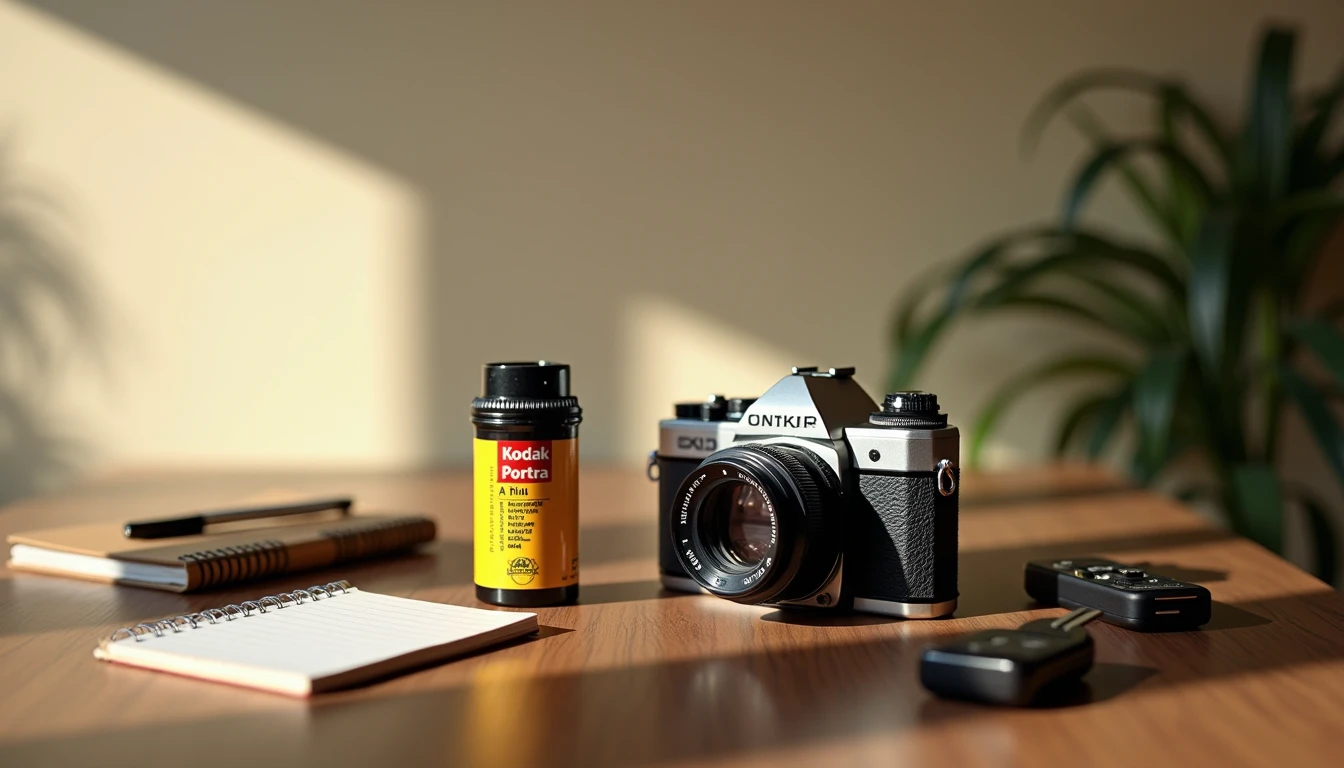
Two Things That Don't Make Sense On Paper
Let me tell you about two hobbies that should be dead.
Film photography. You buy a roll. You load it carefully. You take 36 photos. You can't see any of them. You wait days or weeks to get them developed. Half of them are bad. Some are great. The whole process is slow, expensive, and inefficient.
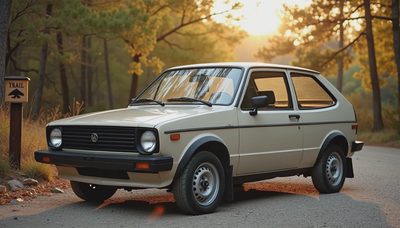
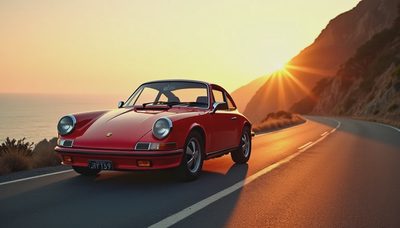
Analog driving. You buy an old car. No traction control. No stability control. No automatic braking. No backup camera. Maybe not even power steering. You have to shift your own gears. You have to feel what the car is doing. You have to actually drive.
On paper, both of these are stupid. Digital cameras are better in every measurable way. Modern cars are safer, faster, and easier to drive.
So why do people still do both?
Because the same person is drawn to both. And that person cares about something other than efficiency.
The Slowness Is The Point
Here's what people don't understand.
Fast isn't always good. Easy isn't always good. Automatic isn't always good.
Sometimes you want slow. Sometimes you want hard. Sometimes you want to work for the result.
Film forces you to slow down. You have 36 shots. That's it. You can't spray and pray. You can't take two hundred photos and pick the best one. You have to think. About light. About composition. About the moment.
You make every shot count.
Analog driving is the same. No computer helping you. No traction control saving you. No automatic rev matching. You have to do everything yourself. Heel toe. Clutch. Throttle. Brake. All at once.
One mistake and the car lets you know.
That's not stressful. That's engaging. You're not a passenger. You're a participant. The machine doesn't do the work for you. It just responds to what you do.
Slow is not a weakness. Slow is a choice. A choice to pay attention.
The Disappearing Skills
Nobody knows how to do either anymore.
Film photography? You have to understand exposure. Aperture. Shutter speed. ISO. How light works. How film responds to different conditions. You can't just point and shoot and fix it in Photoshop later.
Analog driving? You have to know how to rev match. How to shift smoothly. How to feel when the tires are about to let go. How to balance the car with the throttle. You can't just steer and let the computer handle the rest.
Both skills are dying. Because both have been replaced by computers. And computers do a fine job. Better than fine. A modern automatic shifts faster than any human. A modern camera exposes better than any amateur.
But that's not the point.
The point is doing it yourself. The point is the feeling of getting it right. With no help. No safety net. Just your hands and your feet and your brain.
That feeling? Computers can't give you that.
The Joy of Limited Resources
Here's another thing they share.
With film, you have 36 shots. That's it. You can't take more. You can't delete the bad ones and keep going. You have to work within limits.
That changes how you shoot. You wait for the right light. You frame carefully. You don't waste shots on things that don't matter.
With an analog car, you have limits too. No ABS. No stability control. No automatic anything. You have to drive within the car's abilities. And your own.
That changes how you drive. You pay attention to the road. To the temperature. To the sounds the car makes. You don't push beyond what makes sense.
Limits aren't bad. Limits make you better. They force you to think. To plan. To care.
When everything is easy, you stop trying. When everything is automatic, you stop paying attention.
Film and analog cars don't let you stop paying attention. They demand it. And that demand is exactly why people love them.
The Ritual of Preparation
Neither one starts instantly.
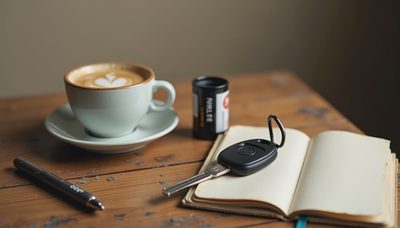
Film: You buy the roll. You load it in a dark bag or a dim room. You advance to the first frame. You set your ISO. You meter the light. You choose your aperture. You focus manually. You breathe. Then you press the shutter.
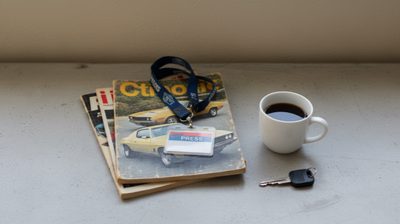
Analog driving: You walk up to the car. You unlock the door with an actual key. You sit down. You put the key in the ignition. You turn it. The engine cranks. You listen. You wait for the oil pressure to come up. You put it in gear. You feel the clutch bite. Then you move.
Neither one is "press a button and go."
That preparation isn't浪费时间. It's part of the experience. It builds anticipation. It puts you in the right headspace. You're not rushing. You're not distracted. You're arriving at the activity.
The ritual matters. And both film and analog cars have beautiful rituals.
The Unexpected Results
Here's what film photographers know that digital shooters don't always get.
Sometimes the best photos are the ones that didn't turn out how you expected. The light was different. The colors shifted. The focus was slightly soft. The grain was heavier than you wanted.
But those imperfections? They're beautiful. They're yours. No one else could have taken that exact photo in that exact way.
Same with analog driving. Sometimes the best drives are the ones where you missed a shift. Or took a corner a little sideways. Or braked a little too late and had to catch the car.
Those moments aren't perfect. But they're real. And they teach you something. About the car. About the road. About yourself.
Perfection is overrated. Character comes from imperfections. Film has it. Analog cars have it. Digital and automatic? Not so much.
The Attention Economy
Here's something I think about a lot.
Everything is fighting for your attention now. Your phone. Your email. Social media. Notifications. Ads.
Driving a modern car doesn't help. Big screens. Touch controls. Alerts. Warnings. Beeps.
You're not driving. You're being driven. And also being advertised to.
Film and analog cars are the opposite. They demand your full attention. You can't check your phone while shooting film. You'd miss the moment. You can't check your phone while driving an old car. You'd miss the shift. Or the corner. Or the warning sign from the engine.
They force you to be present. In a world that constantly pulls you away, that presence is rare. And valuable.
That's not nostalgia. That's a choice. A choice to disconnect. To focus. To be where you actually are.
Film and analog cars give you permission to do that. And more people want that than you'd think.
The People I've Met
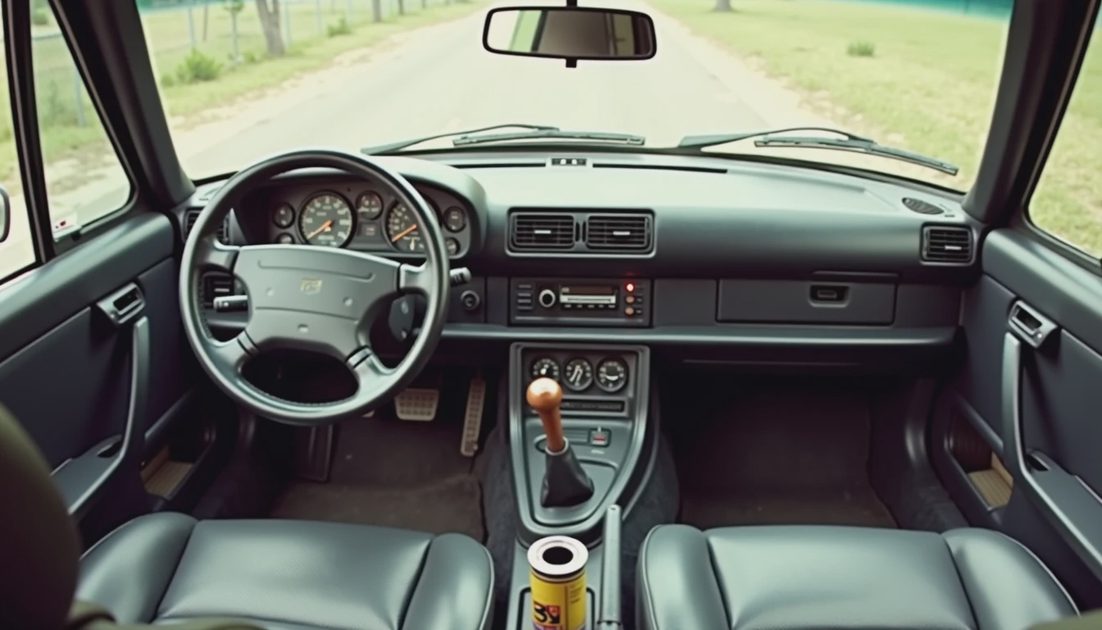
I've met a lot of film photographers who also drive old cars.
Not all of them. But enough to notice a pattern.
They're patient. They're detail oriented. They don't mind waiting. They like things that require skill. They're not impressed by specs. They care about feel.
They'd rather have one great photo than a hundred okay ones. They'd rather have one great drive than a thousand commutes.
They're not Luddites. They use modern stuff too. They have iPhones. They have modern daily drivers. But they choose to spend their fun time on things that ask more of them.
That's the common thread. Not the tools. The mindset.
What You Learn From Both
Film teaches you patience. You can't rush the process. You have to wait. For the light. For the development. For the print.
Film also teaches you acceptance. Some rolls are bad. You wasted money. You wasted time. You move on. You learn. You try again.
Analog driving teaches you humility. The car will punish your mistakes. Not dangerously (usually). Just… honestly. You'll grind a gear. You'll stall at a light. You'll miss a downshift.
That's okay. You learn. You get better. You try again.
Both teach you that the journey matters more than the destination. The shot isn't just the final image. It's the hour you spent waiting for the right light. The drive isn't just getting there. It's the perfect downshift on an empty road.
That's not something you can measure. But it's something you can feel.
Why Both Are Worth Saving
Neither film nor analog cars will ever be mainstream again.
They're too slow. Too expensive. Too impractical.
But that doesn't mean they should disappear.
Some things are worth keeping because they're different. Because they offer something the modern world has forgotten. Slowness. Attention. Skill. Ritual. Imperfection.
Film photography and analog driving attract the same kind of person because they offer the same kind of experience. An experience that asks something of you. And gives something back.
Not efficiency. Not speed. Not convenience.
Just presence. Just feel. Just the quiet satisfaction of doing something yourself. With no help. No automation. No screen.
If that sounds good to you, you already know what I'm talking about.
If it doesn't? That's fine too.
More empty roads for the rest of us.
What I Carry and What I Drive
Let me end with something personal.
I carry a 35mm camera most days. A mechanical one. No batteries except for the light meter. I have to focus with my hands. I have to advance the film with my thumb. I have to think about every shot.
I drive an old coupe most days. Three pedals. No traction control. No backup camera. Just me and the machine.
Both are slower than the alternatives. Both are less convenient. Both are, by any objective measure, worse.
But I don't care about objective measures.
I care about how I feel when I'm using them. Present. Focused. Alive.
Not because the camera or the car is special. Because I have to be special. I have to pay attention. I have to try.
That's the connection. That's why film and analog driving attract the same kind of person.
Because that person wants to try. Even when it's hard. Especially when it's hard.
And that person? That person is me.
Maybe it's you too.