The Job That Almost Ruined Driving
I used to drive a new car every week.
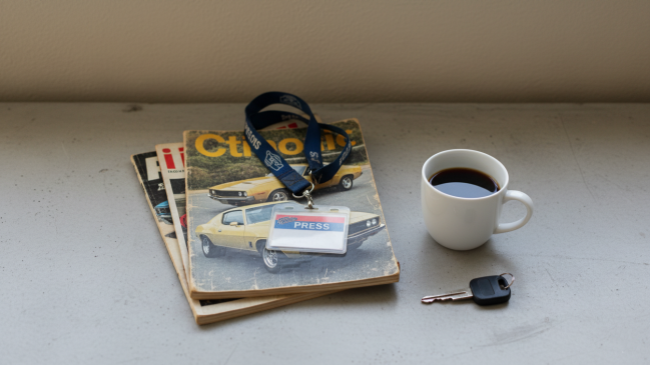
Sometimes every few days. A press car would show up. Clean. Low miles. Full of promise. I'd drive it hard for seven days. Write my review. Send it back. Next one please.
For years, that was my life.
And here's the embarrassing truth. Somewhere in the middle of all those new cars, I stopped enjoying driving.
Not completely. But enough to notice.
Driving became work. Cars became spec sheets. And I became the guy who cared more about lap times than feelings.
Leaving automotive media didn't just change my job.
It saved my relationship with driving.
Cars Are Too Fast Now
I don't mean that as a compliment
You don't need 500 horsepower.
I'm serious. You really don't.
After years of testing everything from econoboxes to exotics, I can tell you this. The most fun cars I've ever driven had less than 250 horsepower. Sometimes way less.
But the press fleet never sends those.
They send the fast ones. The expensive ones. The ones with big numbers for the spec sheet.
And after a while, you start to believe that's what matters. Horsepower. Zero to sixty. Quarter mile times.
Then you leave the industry. You drive a slow car on a good road. And you realize you've been lied to.
Not by anyone mean. Just by the whole system.
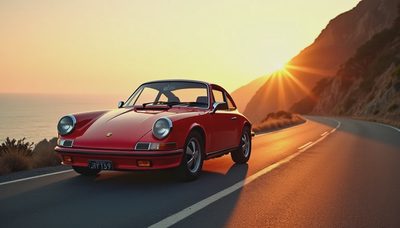
Fun doesn't live at 150 miles per hour. It lives at 45. On a curve. In the right gear. With the windows down.
You can't put that on a spec sheet. So the press fleet ignores it.
Most Reviews Are Useless
We all write the same story
Let me be honest about my old job.
Most car reviews are copies of copies. The writer spends a week with the car. Drives it on the same roads everyone drives. Takes photos in the same canyons everyone uses.
Then they write about steering feel. Engine response. Brake pedal modulation.
And none of that matters to someone buying the car.
Because here's what I learned after leaving. What actually matters is how the car feels on a Tuesday morning. Can you see out of it? Is the seat comfortable after an hour? Does the infotainment make you want to throw your phone through the windshield?
The press car never stays long enough to find out.
You get a week. The car is new. Everything works. You forgive the little things because you're excited.
But real owners live with those little things for years.
I stopped trusting most reviews. Including my own old ones.
I Missed The Ordinary Cars
The press fleet is full of highlights
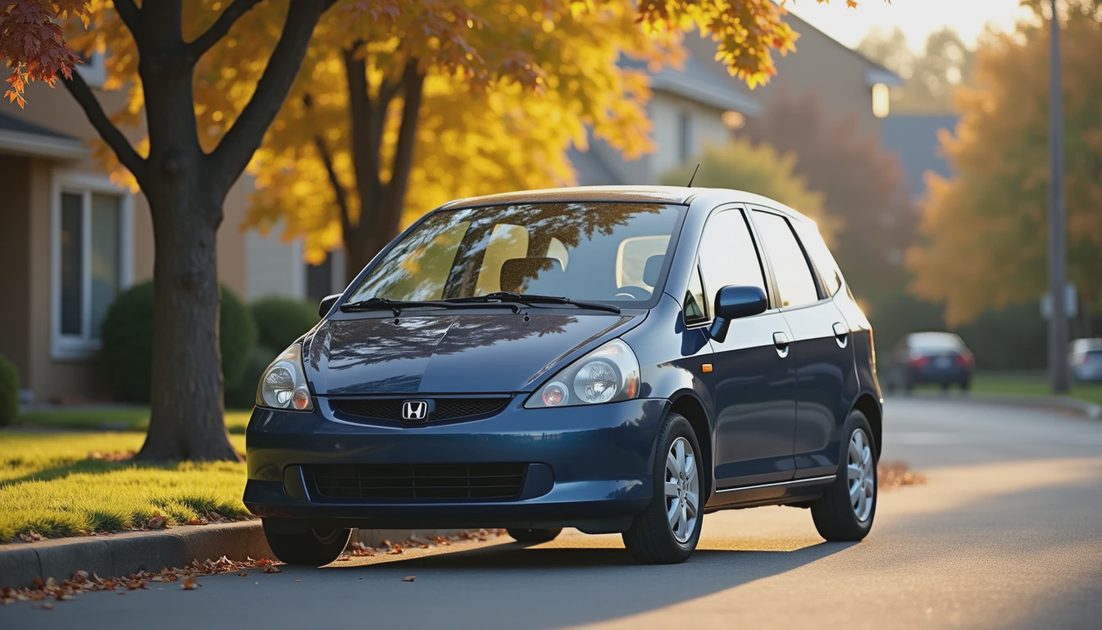
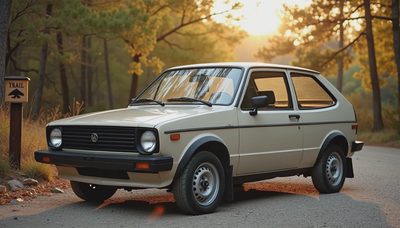
You know what never shows up in a press fleet? A ten year old Honda Fit. A base model Mazda3 with a manual. A Subaru Outback with 150,000 miles on it.
But those are the cars people actually drive.
And here's the thing I learned. Those ordinary cars? Some of them are great.
Not on paper. Not at a track. But in real life? In traffic? On a road trip? In the snow?
They just work. And they make you smile in a way a $100,000 sports car never will.
Because you don't worry about them. You don't park them far away. You don't stress about every rock chip.
You just drive. And enjoying a car without fear? That's a kind of freedom I forgot about while I was in the industry.
Now I look for the ordinary cars. The ones with character. The ones that earned their scratches.
Those are the interesting ones.
Nobody Cares About The Numbers
And they never did
I spent years memorizing horsepower figures. Torque curves. Weight distributions.
Guess how many times a real person asked me about any of that? Almost never.
They asked "is it reliable?" They asked "is it comfortable?" They asked "would you buy one with your own money?"
That last question was the only one that ever mattered.
And in the press fleet, I always said yes. Because the car was new. And clean. And I'd only have it for a week.
Now I ask myself the same question. But I have to live with the answer.
Would I buy this car? With my actual money? And keep it for five years?
That question changes everything. And most car reviews never ask it.
Taste Took A Long Time To Learn
The industry pushes one look
Aggressive. Angry. Loud. That's what the press photos show. That's what gets clicks.
But after I left, I realized I didn't actually like that look. Not on my own car.
I like calm. I like clean. I like cars that don't need to shout.
Turns out that's not just a style. It's confidence. A car that whispers doesn't need to prove anything. Neither does the person driving it.
I didn't learn that from the press fleet. I learned it from walking away. From not having to write about the new thing every week. From just looking at cars and asking what I actually liked.
Taste takes time. And silence. Two things you don't get in automotive media.
The Best Car Is The One You Keep
Not the one you review
In the press fleet, cars are disposable. Drive them. Write about them. Forget them.
Real life isn't like that.
The best cars are the ones you keep for years. The ones that see your life change. The ones that get scratches and dings and stories.
I didn't understand that when I was reviewing cars. Everything was new. Everything was temporary. Everything was replaceable.
Now I drive an older car. Nothing special to anyone else. But it's got my seat shape. My wear marks. My memories.
That's worth more than any press car ever was.
I learned that after I left. And it took me way too long.