Learning **how to drive a manual car** is one of those automotive milestones that sticks with you. It’s not just about operating a third pedal or moving a lever; it’s about establishing a tactile dialogue with the machine. For anyone who has only experienced automatic transmissions, the idea of coordinating three pedals and a shifter can feel intimidating. But once you understand the rhythm, it becomes second nature—and deeply satisfying. This guide will walk you through the basics, from finding the bite point to smooth shifting, so you can approach a manual gearbox with confidence instead of anxiety.
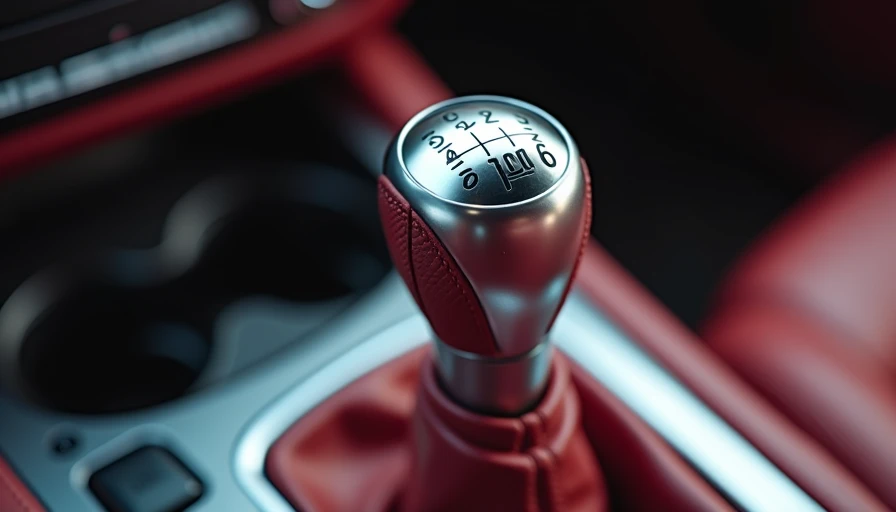
Before you even turn the key, take a moment to familiarize yourself with the cabin layout. In a typical manual car, you’ll find three pedals: the clutch (left), brake (center), and accelerator (right). The gearshift pattern is usually marked on the knob or around the base. Most modern manuals have five or six forward gears plus reverse—often with a lockout ring or a specific push-down mechanism for reverse. The most critical component is the clutch pedal, which disengages the engine from the wheels, allowing you to change gears. Finding the clutch’s bite point—the spot where the engine and transmission begin to engage—is the foundation of everything.
Understanding the Clutch: Finding the Bite Point
The bite point is where the magic happens. Park the car on level ground with the engine off. Press the clutch pedal all the way down, then slowly release it while paying attention to where you feel resistance—that’s the bite point. Once you’re familiar, start the engine. Keep your foot firmly on the clutch and the brake, shift into first gear, then slowly lift the clutch while simultaneously applying a tiny bit of throttle. The car will start to creep forward. That’s the bite point in action. Practice this in an empty parking lot until the motion feels natural—it should take no more than a few minutes of repetition.
Smooth Shifting: The Art of Matching RPMs
Once you can pull away from a stop, the next step is shifting up through the gears. The key to smooth shifts is gradual, coordinated movements. As you accelerate, press the clutch fully, move the shifter into the next gear, then release the clutch smoothly while applying steady throttle. A common mistake is to dump the clutch too quickly, which causes the car to lurch forward or stall. Instead, think of the clutch release as a continuous, deliberate motion—pause slightly at the bite point to let the revs match the road speed. Downshifting requires a similar approach: brake gently, press the clutch, shift into a lower gear, and blip the throttle slightly before releasing the clutch to match engine speed to wheel speed. This technique, called rev matching, prevents the car from bucking and keeps the ride smooth for your passengers.
Hill Starts: The Technique That Builds Confidence
Hill starts are often the most intimidating part of learning **how to drive a manual car**. The fear of rolling backward into a car behind you is real. The simplest method is to use the handbrake. Pull the handbrake up (button held), press the clutch and put the car in first gear, apply a little throttle until the engine note rises, then slowly release the clutch until you feel the car pull against the brake. When you’re ready, release the handbrake while adding more throttle—the car will move forward without rolling back. With practice, you can graduate to the heel-toe method or simply a quick left-foot clutch-to-throttle transition, but the handbrake technique is foolproof for beginners.
Common Mistakes and How to Avoid Them
Every learner stalls—it’s part of the process. The most frequent errors include riding the clutch (keeping your foot on the pedal when you don’t need to, which wears components), grinding gears (shifting without the clutch fully depressed), and lugging the engine (being in too high a gear for a low speed). To avoid these, always press the clutch fully before moving the shifter, only use the clutch for starting, stopping, and changing gears, and listen to the engine—it will tell you when to shift up or down. Practicing in a safe, empty area will quickly turn these actions into habits.
Why Manual Driving Still Matters
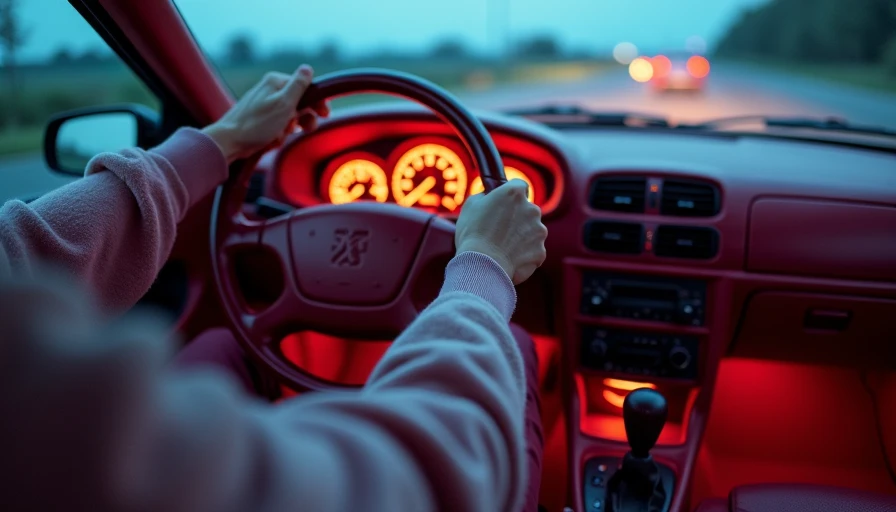
Beyond the mechanical skill, learning **how to drive a manual car** connects you to the driving experience in a way that no automatic can replicate. Each shift becomes a conscious choice. You feel the engine’s power band, you anticipate corners and traffic flow, and you become more engaged with the road. In an age of driver-assistance systems and paddle shifters, the manual transmission remains a pure, analog pleasure—a ritual that sharpens your focus and reminds you that driving is a partnership between human and machine. Whether you’re piloting a vintage sports car or a humble econobox, the satisfaction of a well-executed shift is timeless.
Final Thoughts: Practice with Patience
Mastering **how to drive a manual car** takes time, but the rewards are lasting. Start in low-traffic areas, gradually introduce busier roads, and don’t be afraid to stall. Every mistake teaches your foot and brain the necessary coordination. In a few weeks, the motions will become intuitive, and you’ll wonder why you ever hesitated. The manual transmission is a dying art in many markets, but those who take the time to learn it gain a deeper appreciation for the machine and the act of driving itself. Give it the patience it deserves, and you’ll find that the stick shift isn’t just a skill—it’s an experience.
*If you’re looking for a manual car to learn on, consider something forgiving like a Mazda MX-5, Honda Civic, or Volkswagen Golf. Their light clutches and precise shifters make the learning curve gentle and the drive enjoyable.*