Let me say something that might hurt some feelings.
Most cars with aftermarket wheels look worse than stock.
Not all. But most.
And it's not because the wheels are cheap. Or the car is old. Or the owner doesn't care.
It's because nobody stopped to ask one question:
Does this actually look better?
Or did you just do it because everyone else did?
The three things that can't hide
Here's the truth.
Wheels. Tires. Ride height.
These three things are your car's face. You can't hide behind paint. Or a body kit. Or a loud exhaust.
If these three are wrong? The whole car looks wrong. No matter what else you do.
If they're right? The car looks good. Even if it's slow. Even if it's old. Even if it's nothing special.
Taste starts here. Not with carbon fiber. Not with horsepower.
Right here.
The wheel mistake everyone makes
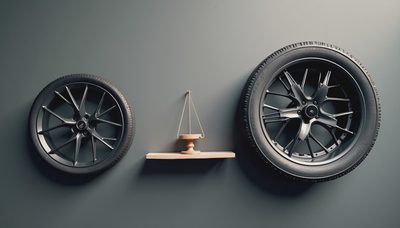
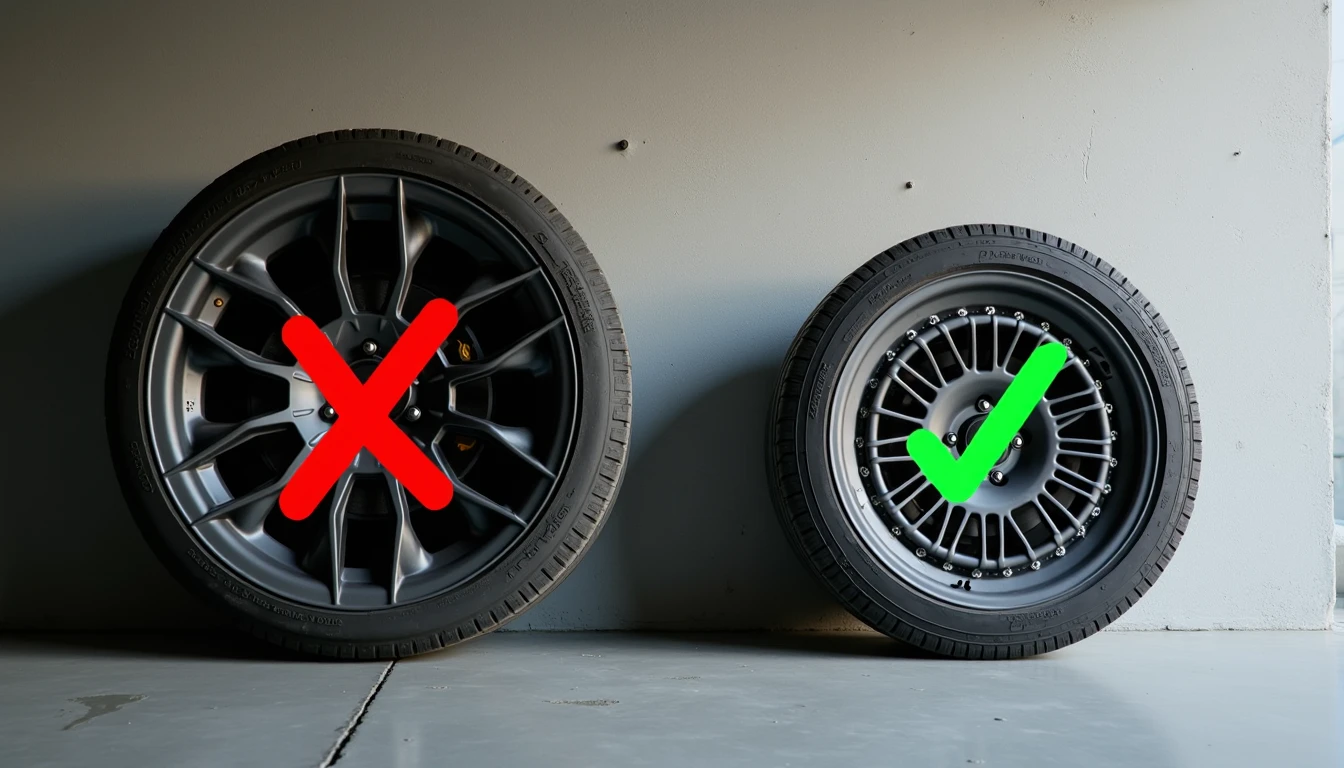
Too big.
That's the mistake.
Everyone goes bigger. Eighteen becomes nineteen. Nineteen becomes twenty. Twenty becomes "I can't feel the road anymore but at least it looks cool."
Except it doesn't look cool.
It looks like a Hot Wheels toy. Too much wheel. Not enough tire. The proportions are all wrong.
Here's what actually looks good.
Same size as stock. Or one inch smaller. Yeah, I said smaller.
Smaller wheels mean more tire sidewall. More tire sidewall means the car sits better. Looks more planted. Less like it's wearing roller skates.
Plus it rides better. Plus tires cost less. Plus you don't bend a wheel on every pothole.
There's no downside except you don't get to brag about size. And bragging about size is for people who don't have taste anyway.
The tire sidewall rule
I have a simple rule.
You should see some tire between the wheel and the road.
Not a giant balloon. Not a monster truck. But enough rubber to remind you that tires are supposed to absorb things.
When the sidewall disappears completely? When it's just a thin black band stretched over a huge wheel?
That car doesn't look sporty. It looks uncomfortable. Like it's afraid of bumps. Like it's trying too hard.
A little sidewall looks confident. Relaxed. Like the car knows what it is and doesn't need to prove anything.
That's taste.
Ride height: the thing everyone gets wrong
Now let's talk about height.
The internet loves slammed cars. Love them. Can't get enough.
In real life? Slammed cars look broken.
Not low. Not aggressive. Broken. Like something collapsed. Like the suspension gave up.
The right height is lower than stock. But not by much.
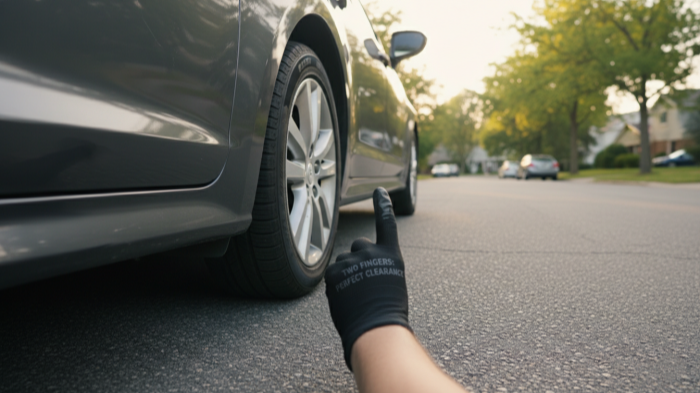
You want the gap between the tire and the fender to be about two fingers. Not zero. Not four.
Two fingers.
That's low enough to look purposeful. High enough to clear a speed bump. High enough to not scrape on your own driveway.
The car sits into the ground instead of on it. But it still works. For real life. For daily driving. For not making you stressed about every little dip in the road.
That's the sweet spot.
Why offset matters more than you think
This is the nerd stuff. But it's important.
Wheels can stick out too far. Or tuck in too much.
The right offset? The wheel face is flush with the fender. Not poking out like a skateboard. Not hidden inside like the car is embarrassed.
Flush.
Just flush.
When the wheel sits right, the whole car looks wider. Lower. More planted. Even if the ride height is stock.
When the offset is wrong? The car looks awkward. Like someone did the math wrong and didn't bother to fix it.
Don't be that person.
What stock got right (and wrong)
Most stock setups are too high. And the wheels are tucked in too much. And the tires are whatever was cheapest.
That's why we modify.
But stock got some things right.
The wheel size usually makes sense. The engineers weren't stupid. They picked a size that rides well and clears the brakes.
So don't throw that away completely.
Keep the same size. Or go down one inch. Adjust the offset. Lower it a little.
You're not rebuilding the car. You're editing it.
Like a photographer cropping a photo. Not changing the subject. Just making it sit better in the frame.
The cars that get it right
You can spot them from across a parking lot.
No giant wheels. No rubber band tires. No scraping the ground.
Just… balance.
A little lower. A little wider. A little more tire.
The car looks like it belongs. Not like it escaped from a video game.
Those owners? They know something you don't. Or maybe you do know it, and you just haven't admitted it yet.
Less is more.
The test I use
Here's what I do.
After I change something—wheels, tires, height—I park the car.
Then I walk away. Twenty feet. Thirty feet. Then I turn around and look.
Does the car look better than before? Not different. Better.
If I hesitate? If I think "hmm, maybe not"? I change it back.
Taste doesn't hesitate. When it's right, you know.
What you should actually do
Start simple.
Keep your stock wheel size. Just change the offset so it sits flush.
Get a tire with a little more sidewall than you think you need.
Lower the car just enough to close the fender gap. Half an inch. Maybe one inch. Not more.
That's it.
Three small changes. No drama. No regrets.
Your car will ride better. Look better. Feel better.
And nobody will say "whoa, what did you do to that thing?"
They'll just say "huh, that looks really good."
That's the best compliment you can get. Because they can't tell what you did. They just know it works.
The cars that fail
You know them.
Twenty inch wheels on a small sedan. Tires that are basically painted on. Ride height so low you can see sparks at night.
Those cars don't look cool. They look compensating.
Like the owner is trying to prove something. And when you try that hard, you've already lost.
Confidence is quiet. Taste is quiet.
The car that whispers is the one people actually remember.
So here's the short version
Don't go bigger. Go better.
Keep some sidewall. Show some tire.
Lower it just enough.
Make the wheels flush.
Then stop.
You're done.
Your car will look like an adult owns it. Like someone with taste made the choices. Like it doesn't need to scream for attention.
Because it doesn't.
It just sits there. Right. Balanced. Confident.
That's where taste starts.
Not with loud. Not with extreme.
With right.