The Car That Sat In My Garage
I used to own a weekend car.
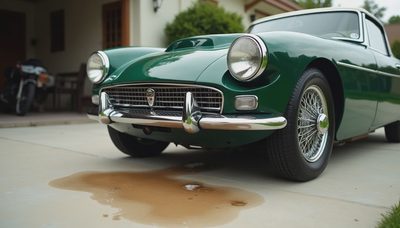
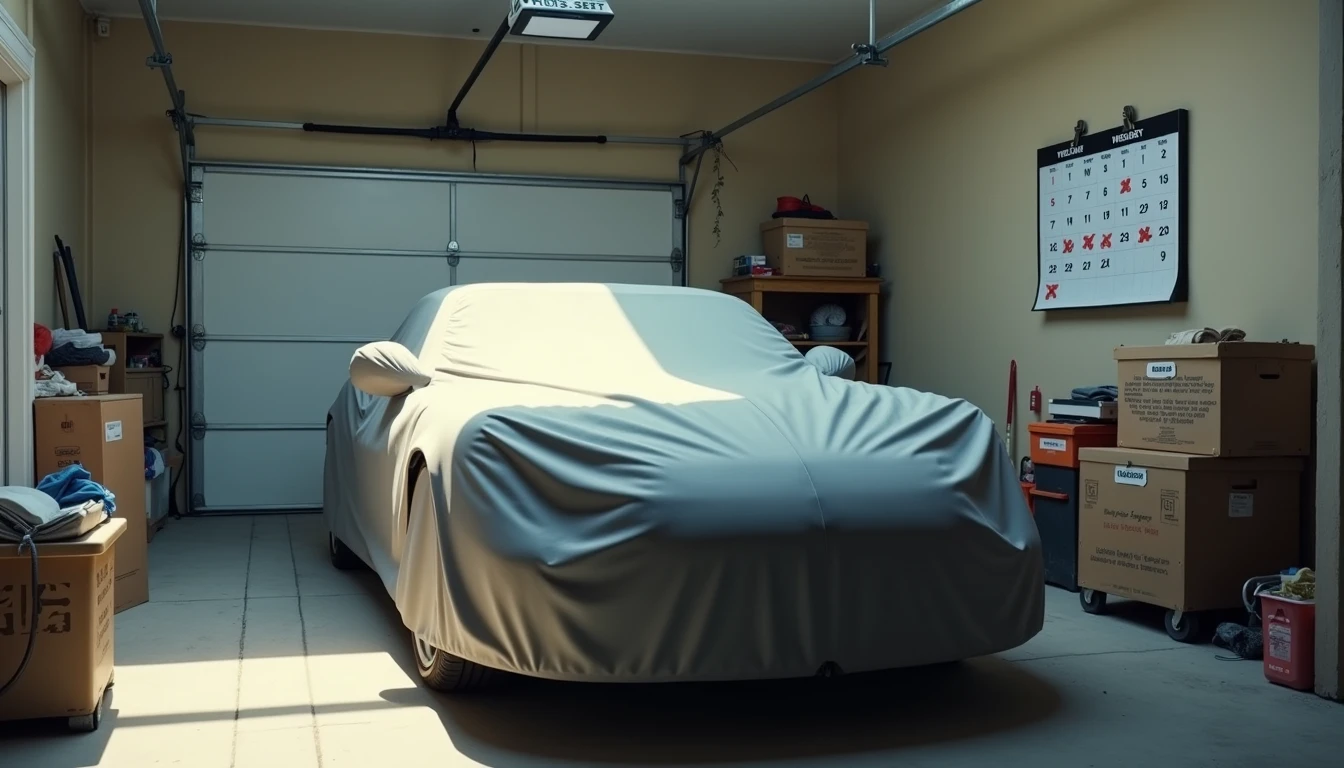
Nice one. Low miles. Clean paint. I kept it under a cover. I washed it every Sunday. I started it once a week just to keep the battery alive.
And then I didn't drive it.
Not because I didn't want to. Because I was waiting. For the right weather. The right road. The right amount of free time.
Those things never lined up.
Work was busy. Weekends filled up with errands and chores and things I didn't want to do but had to do. The car sat. And sat. And sat.
One day I realized I had owned it for eighteen months and put less than two thousand miles on it.
I wasn't enjoying that car. I was just storing it.
That's when I started asking the question. Is a weekend car worth it if you rarely have weekends?
The answer surprised me.
The Fantasy Vs. The Reality
We buy the idea. Not the car.
Here's what happens.
You imagine yourself on a empty canyon road. Sun going down. Windows open. Perfect song on the radio. No place to be. No one waiting.
That image feels so good that you buy a car to match it.
But real life doesn't look like that.
Real life has late meetings. Early mornings. A lawn that needs mowing. A friend who needs help moving. Groceries. Laundry. Sleep.
The canyon road is forty five minutes away. The sun goes down while you're still answering emails. And that perfect song? You're too tired to care.
The car sits.
And you tell yourself it's okay. Next weekend. Next month. After this project ends.
But the project never ends. There's always another one.
That's not a car problem. That's a life problem. And a weekend car doesn't solve it. It just makes you feel guilty.
What I Learned From Not Driving
The cover became a symbol
Every time I walked past that car under its cover, I felt something. Not happiness. Not pride.
Obligation.
I should drive it. I should enjoy it. I spent the money. I made the choice.
But should isn't a good feeling. Should is pressure. And pressure kills joy.
I started resenting that car. Not because it did anything wrong. Because it reminded me of all the drives I wasn't taking.
That's when I realized something uncomfortable.
Maybe I didn't actually want a weekend car. Maybe I wanted the idea of being someone who had time for a weekend car.
Those are not the same thing.
The Tuesday Night Experiment
So I tried something different
I sold the weekend car.
Not dramatically. Not with a big goodbye post. Just… quietly. To someone who had more weekends than me.
Then I took the money and did something small. I put better tires on my daily driver. I fixed the rattles. I cleaned the interior until it felt nice again. Nothing expensive. Just attention.
And then I started driving.
Not on weekends. On Tuesdays. Wednesdays. Thursday nights after work. No destination. Just a loop. Fifteen minutes. Maybe thirty.
No pressure. No perfection. No waiting for ideal conditions.
Just driving.
And you know what? It was better.
Not more exciting. Not more memorable. But more real. I didn't have to schedule joy. I just… took it. In small pieces. Between the things I had to do.
That experiment changed how I think about cars completely.
The Cost Of Keeping A Car Special
Pristine is overrated
Here's the hidden math.
A weekend car costs more than money. It costs mental space.
You worry about where to park it. You worry about door dings. You worry about miles. You worry about resale value. You worry about the right time to drive it.
All that worry adds up. And what do you get in return? A few perfect drives a year. If you're lucky.
I'm not saying that's never worth it. For some people, it is. For people with real weekends. Real time. Real freedom.
But for the rest of us? The ones with jobs and responsibilities and lives that don't leave big empty blocks?
A car you can just use feels better.
Park it anywhere. Drive it in the rain. Let it get dirty. Put miles on it. Who cares.
That freedom is worth more than perfect paint.
The Cars That Work For Real Life
They don't have to be boring
Here's what I believe now.
The best enthusiast car is the one you drive the most. Not the one you save.
So if you only have Tuesday nights and Saturday mornings? Get a car that works on Tuesday nights and Saturday mornings.
That might mean something less precious. Something cheaper. Something you're not afraid to put miles on.
A Miata you actually drive to work. A GTI you take to the grocery store. An old BMW you park on the street. A Civic Si that sees rain and sun and everything in between.
Those cars aren't weekend specials. They're just cars. But you drive them. Every chance you get. Small drives. Short drives. Imperfect drives.
And those small drives add up to more joy than one perfect drive ever could.
I learned that the hard way. After the cover. After the guilt. After the selling.
What "Worth It" Actually Means
Not what you think
Worth it doesn't mean low cost per mile. Worth it doesn't mean good resale value.
Worth it means: does this car make my life better most days?
Not some days. Not special days. Most days.
If you only drive your weekend car six times a year, that's six good days. What about the other 359 days? You're just paying insurance. And worrying. And feeling guilty.
A car you drive every day? Even if it's less exciting? That gives you 365 chances to smile.
Do the math.
Six smiles versus three hundred sixty five. The numbers aren't close.
The People Who Actually Need Weekend Cars
I'm not against them
Let me be fair.
Some people should have weekend cars.
People with real weekends. Retired people. People who live near good roads. People who don't have to choose between driving and sleeping.
I'm not those people. And maybe you're not either.
I work. I have responsibilities. I have weeks that swallow my weekends before they even start.
That's not a complaint. That's just reality.
And reality says: don't buy a car for the life you wish you had. Buy a car for the life you actually have.
That advice sounds boring. But it's the most freeing thing I've learned.
The Day I Stopped Waiting
It happened on a Wednesday
I remember exactly when this clicked.
Wednesday night. Maybe eight o'clock. I had worked late. I was tired. Not the sleepy kind. The other kind.
I walked past my daily driver and thought: I don't want to go inside yet.
So I didn't.
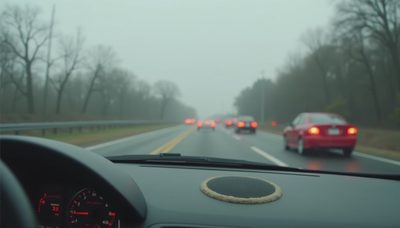
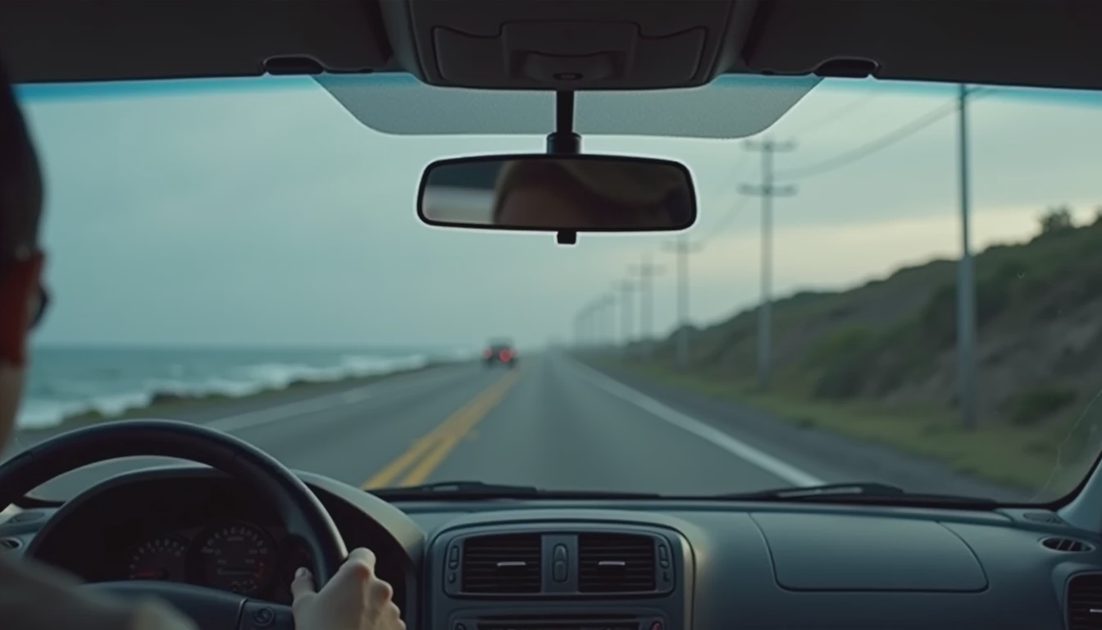
I got in. Started it. Drove to the coast. No plan. No destination. Just the 101 for twenty minutes. Windows down. Cold air. Stars.
I wasn't in my weekend car. I was in my regular car. The one with the coffee stains and the slightly torn seat.
And it was perfect.
Not because the car was special. Because the moment was special. And the car was just… there. Ready. Willing. Not waiting for perfect conditions.
That drive took nothing from me. No planning. No prep. No guilt.
I came home twenty minutes later. Felt better. Went to sleep.
That's when I stopped waiting.
The Question You Should Ask Yourself
Be honest
Here's the question.
Do you actually have weekends? Real ones? Empty ones? Ones where you can wake up late and take a four hour drive and come home and not feel like you wasted time?
If yes? Buy the weekend car. Enjoy it. You're lucky.
If no? If your weekends look like catch up days? If you're lucky to get a few hours to yourself?
Then buy a car you can drive on Tuesday night.
You'll actually drive it. You'll actually enjoy it. You won't feel guilty.
And isn't that the whole point?
What I Drive Now
Nothing special. Everything good.
I drive a coupe from the early 2000s. Nothing rare. Nothing expensive. Nothing anyone would photograph for a magazine.
But I drive it every day. To coffee. To the coast. To nowhere in particular.
The paint has chips. The interior has wear. The miles keep climbing.
And I don't care.
Because every time I get in, I know I'm not waiting. I'm just going. Anywhere. Nowhere. Doesn't matter.
That car is worth it. Not because it's a weekend special. Because it's a life car.
And life happens on Tuesdays. Not just Sundays.